Mybatis原理学习
这次呢,大致介绍一些Mybatis的实现原理与总体设计。
1、Mybatis运行结构
Mybatis提供了方便的方式,直接通过注入一个interface,就可以实现方便的数据库查询工作。
但是仔细观察会发现,每一个interface其实并没有自己的实现类,那么mybatis是怎么让他实际去读写数据库的呢?
其实就是通过 动态代理, 动态代理在Mybatis中用的很多。
而要讲解这个代理的流程,需要先说一下Mybatis的一个核心类
SqlSession
SqlSession本身是一个接口,结构并不复杂
<T> T selectOne(String statement, Object parameter);
  <E> List<E> selectList(String statement, Object parameter, RowBounds     rowBounds);
  <K, V> Map<K, V> selectMap(String statement, Object parameter, String     mapKey, RowBounds rowBounds);
  void select(String statement, Object parameter, RowBounds rowBounds,     ResultHandler handler);
  int insert(String statement, Object parameter);
  int update(String statement, Object parameter);
  int delete(String statement, Object parameter);
  void commit(boolean force);
  void rollback(boolean force);
  List<BatchResult> flushStatements();
  void close();
  void clearCache();

  /**
       * Retrieves current configuration
       * @return Configuration
       */
  Configuration getConfiguration();

  /**
   * Retrieves a mapper.
   * @param <T> the mapper type
   * @param type Mapper interface class
   * @return a mapper bound to this SqlSession
   */
  <T> T getMapper(Class<T> type);

  /**
   * Retrieves inner database connection
   * @return Connection
   */
  Connection getConnection();
}
从接口就可以看出来,SqlSesion的核心功能,就是实际的数据库操作。
并且,中间有getMapper方法,也就是说,Mapper的代理Proxy其实是由SqlSession提供
而数据库操作需要的几个东西:数据库连接和数据库操作的语句,在它的接口中并没有体现出来。
而主要通过一个参数
int insert(String statement, Object parameter);]]></ac:plain-text-body>
一个statement来传递,这个所谓的statement,比较好理解,就是通过mapper.xml们中的配置,加载过来的东西。
mapper接口和mapper.xml的大致关系就是:

一个Mapper.xml的一个sql方法会通过xml解析成一个MappedStatment, 一个MappedStatement就是一整个sql方法的整合类,它的属性大概有
public final class MappedStatement {

  private String resource;
  private Configuration configuration;
  private String id;
  private Integer fetchSize;
  private Integer timeout;
  private StatementType statementType;
  private ResultSetType resultSetType;
  private SqlSource sqlSource;
  private Cache cache;
  private ParameterMap parameterMap;
  private List<ResultMap> resultMaps;
  private boolean flushCacheRequired;
  private boolean useCache;
  private boolean resultOrdered;
  private SqlCommandType sqlCommandType;
  private KeyGenerator keyGenerator;
  private String[] keyProperties;
  private String[] keyColumns;
  private boolean hasNestedResultMaps;
  private String databaseId;
  private Log statementLog;
  private LanguageDriver lang;
  private String[] resultSets;
}
其id就是它的对应的接口方法的全名称

并且以Map的形式统一存在了Configuration的属性里面
然后,MapperProxy也就是实现接口动态代理的类
public class MapperProxy<T> implements InvocationHandler, Serializable {

  private static final long serialVersionUID = -6424540398559729838L;
  private final SqlSession sqlSession;
  private final Class<T> mapperInterface;
  private final Map<Method, MapperMethod> methodCache;

  public MapperProxy(SqlSession sqlSession, Class<T> mapperInterface,     Map<Method, MapperMethod> methodCache) {
    this.sqlSession = sqlSession;
    this.mapperInterface = mapperInterface;
    this.methodCache = methodCache;
  }

  public Object invoke(Object proxy, Method method, Object[] args) throws     Throwable {
    if (Object.class.equals(method.getDeclaringClass())) {
      try {
        return method.invoke(this, args);
      } catch (Throwable t) {
        throw ExceptionUtil.unwrapThrowable(t);
      }
    }
    final MapperMethod mapperMethod = cachedMapperMethod(method);
    return mapperMethod.execute(sqlSession, args);
  }

  private MapperMethod cachedMapperMethod(Method method) {...}
}
这里我们可以看出,动态代理对接口的绑定。
而我们在代码中实际注入的,就是这个MapperProxy代理类

它的产生
public class MapperProxyFactory<T> {

  private final Class<T> mapperInterface;
  private Map<Method, MapperMethod> methodCache = new     ConcurrentHashMap<Method, MapperMethod>();

  @SuppressWarnings("unchecked")
  protected T newInstance(MapperProxy<T> mapperProxy) {
    return (T) Proxy.newProxyInstance(mapperInterface.getClassLoader(), new     Class[] { mapperInterface }, mapperProxy);
  }
  ......
}
了解动态代理的同学能够明白,当执行被代理的interface的时候,如果执行的对象是一个代理对象,则就会运行到MapperProxy的invoke方法中。
而mapperMethod的execute方法当中,实际执行的是
public Object execute(SqlSession sqlSession, Object[] args) {
  Object result;
  if (SqlCommandType.INSERT == command.getType()) {
    Object param = method.convertArgsToSqlCommandParam(args);
    result = rowCountResult(sqlSession.insert(command.getName(), param));
  } else if (SqlCommandType.UPDATE == command.getType()) {
    Object param = method.convertArgsToSqlCommandParam(args);
    result = rowCountResult(sqlSession.update(command.getName(), param));
  } else if (SqlCommandType.DELETE == command.getType()) {
    Object param = method.convertArgsToSqlCommandParam(args);
    result = rowCountResult(sqlSession.delete(command.getName(), param));
  } else if (SqlCommandType.SELECT == command.getType()) {
    if (method.returnsVoid() && method.hasResultHandler()) {
      executeWithResultHandler(sqlSession, args);
      result = null;
    } else if (method.returnsMany()) {
      result = executeForMany(sqlSession, args);
    } else if (method.returnsMap()) {
      result = executeForMap(sqlSession, args);
    } else {
      Object param = method.convertArgsToSqlCommandParam(args);
  result = sqlSession.selectOne(command.getName(), param);
}
  } else {
    throw new BindingException("Unknown execution method for: " +     command.getName());
  }
  if (result == null && method.getReturnType().isPrimitive() && !    method.returnsVoid()) {
    throw new BindingException("Mapper method '" + command.getName()
        + " attempted to return null from a method with a primitive return     type (" + method.getReturnType() + ").");
  }
  return result;
}
MapperMethod采用 命令模式 运行,根据上下文的条件的不同,可以跳转到sqlSession对应不同的方法当中。
至此,我们应该都知道为何Myabtis只用Mapper接口就可以运行SQL了,因为mapper.xml文件中的命名空间,就对应的是interface的全路径,然后通过路径和方法,就可以将对应的Sql找到并运行。
2、SqlSession运行原理
从上面可以看到,映射器其实是通过动态代理,进入到了MapperMethod的execute方法,然后根据简单的判断,就进入到了SqlSession的增删改查的方法当中,但是这些方法具体是怎么执行的呢?
其实SqlSession下又四个核心的对象
- Executor 用来调度StatementHadnler, ParameterHandler, ResultHandler等来处理SQL
- StatementHandler 四大对象的核心,实际操作数据库的Statement
- ParameterHandler 用于对SQL参数的处理
- ResultHandler 对MySQL返回的数据集(ResultSet)进行封装处理
2.1Executor
Executor是真正执行Java和数据库交互的东西。Mybatis存在三种执行器,可以在文件中配置选择
分别是
- SIMPLE 基本的,默认使用的
- REUSE 可重用预处理语句
- BATCH 执行器重用语句和批量更新,针对批量专用的执行器
可以看一下Mybatis如何创建Executor
public Executor newExecutor(Transaction transaction, ExecutorType     executorType) {
  executorType = executorType == null ? defaultExecutorType : executorType;
  executorType = executorType == null ? ExecutorType.SIMPLE : executorType;
  Executor executor;
  if (ExecutorType.BATCH == executorType) {
    executor = new BatchExecutor(this, transaction);
  } else if (ExecutorType.REUSE == executorType) {
    executor = new ReuseExecutor(this, transaction);
  } else {
    executor = new SimpleExecutor(this, transaction);
  }
  if (cacheEnabled) {
    executor = new CachingExecutor(executor);
  }
  executor = (Executor) interceptorChain.pluginAll(executor);
  return executor;
}
其实这里就是根据哪种类型来创建一个新的Executor
每一个sqlSesiion都会创建一个全新的Executor
接下来以SimpleExecutor的查询方法为例
public <E> List<E> doQuery(MappedStatement ms, Object parameter, RowBounds     rowBounds, ResultHandler resultHandler, BoundSql boundSql) throws     SQLException {
  Statement stmt = null;
  try {
    Configuration configuration = ms.getConfiguration();
    StatementHandler handler = configuration.newStatementHandler(wrapper,     ms, parameter, rowBounds, resultHandler, boundSql);
    stmt = prepareStatement(handler, ms.getStatementLog());
    return handler.<E>query(stmt, resultHandler);
  } finally {
    closeStatement(stmt);
  }
}

//prepare方法
private Statement prepareStatement(StatementHandler handler, Log     statementLog) throws SQLException {
  Statement stmt;
  Connection connection = getConnection(statementLog);
  stmt = handler.prepare(connection, transaction.getTimeout());
  handler.parameterize(stmt);
  return stmt;
}
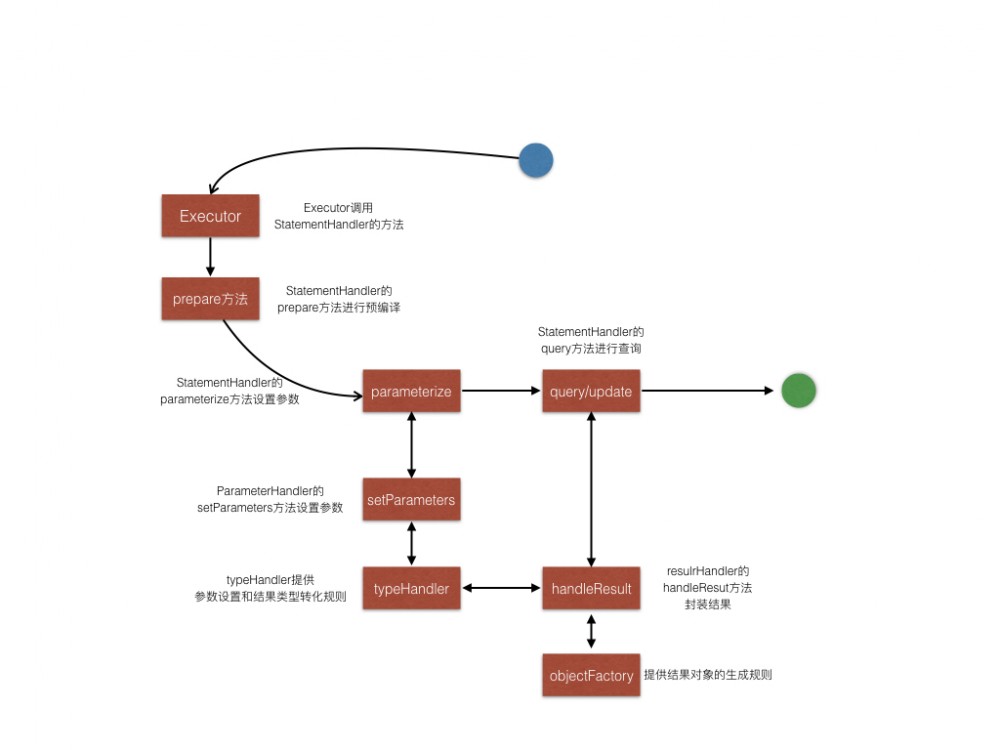
可以简单的看出,configuration提供了StatementHandler的生产
然后通过调用StatementHandler的prepare方法来对进行一些预先的设置与编译
包括对数据库语句的预编译,防止SQL注入,以及一些超时时间,查询大小的设置等。
然后就进入到第二个重要对象,StatementHandler
2.2StatementHandler
这个是用来专门处理与数据库交互的。先看下Mybatis是怎么生成它的
public StatementHandler newStatementHandler(Executor executor, MappedStatement mappedStatement, Object parameterObject, RowBounds rowBounds, ResultHandler resultHandler, BoundSql boundSql) {
  StatementHandler statementHandler = new RoutingStatementHandler(executor, mappedStatement, parameterObject, rowBounds, resultHandler, boundSql);
  statementHandler = (StatementHandler) interceptorChain.pluginAll(statementHandler);
  return statementHandler;
}
实际创建的是RoutingStatementHandler。
而RoutingStatementHandler也只是一个代理对象,我们先看下其构造方法
public RoutingStatementHandler(Executor executor, MappedStatement ms, Object parameter, RowBounds rowBounds, ResultHandler resultHandler, BoundSql boundSql) {

  switch (ms.getStatementType()) {
    case STATEMENT:
      delegate = new SimpleStatementHandler(executor, ms, parameter, rowBounds, resultHandler, boundSql);
      break;
    case PREPARED:
      delegate = new PreparedStatementHandler(executor, ms, parameter, rowBounds, resultHandler, boundSql);
      break;
    case CALLABLE:
      delegate = new CallableStatementHandler(executor, ms, parameter, rowBounds, resultHandler, boundSql);
      break;
    default:
      throw new ExecutorException("Unknown statement type: " + ms.getStatementType());
  }
}
可以看到,也有三种不同的Handler,并且作为代理存在于RoutingStatementHandler中。这三种不同的Handler其实也是对应着之前提到的三种不同的Executor
statment的执行就比较简单了
@Override
public <E> List<E> query(Statement statement, ResultHandler resultHandler) throws SQLException {
  String sql = boundSql.getSql();
  statement.execute(sql);
  return resultSetHandler.<E>handleResultSets(statement);
}
简单的运行statment,然后将结果ResultSet交给Resulthandler去处理。
至此,我们可以看一下一整个SqlSession的查询过程的流程
3、插件
我们之前有看到,四大对象在创建的时候,会调用一行代码
executor = (Executor) interceptorChain.pluginAll(executor);
这就是,将四大对象,与插件进行绑定。
这里使用了 责任链的设计模式
于是,我们可以无缝添加很多的插件在Mybatis的运行过程中,并且在四大对象调度的时候,寻找合适的时机运行我们的代码。这就是Mybatis的插件技术
Mybatis的插件是对Mybatis的底层的修改,所以是存在一定的危险性的
3.1插件接口
public interface Interceptor {
  Object intercept(Invocation invocation) throws Throwable;
  Object plugin(Object target);
  void setProperties(Properties properties);
}
这里有三个方法
- interceptor: 它将直接覆盖掉所拦截对象的原有方法。是插件技术的核心方法,但是可以通过Invocation参数反射调度原生方法
- plugin: target是被拦截的对象,可能是四大对象中的任意一个。这个方法的作用是给被拦截的对象生成一个动态代理对象。Mybatis中提供现成的方法来做
- setProperties: 可以在调用plugin方法的时候调用一次,在插件初始化的时候给它添加一些参数
3.2插件的代理和反射设计
插件的代理用的是责任链模式,其就是一个对象,可以是Mybatis的Sqlsession的四大对象的任意一个,在多个角色中进行传递。在传递链条上任何一个插件都有可以处理它的权利。
以Executor为例子,前面说到过,创建的时候执行过
executor = (Executor) interceptorChain.pluginAll(executor);
pluginAll的实现是
public Object pluginAll(Object target) {
  for (Interceptor interceptor : interceptors) {
    target = interceptor.plugin(target);
  }
  return target;
}
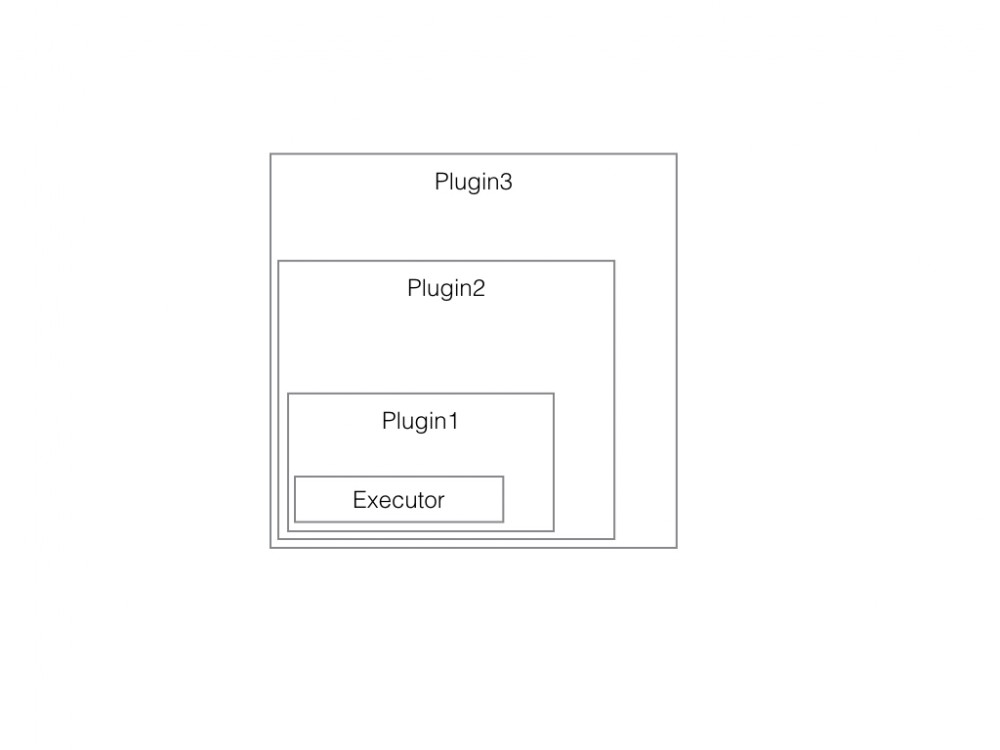
比较好理解,只是将预先加载好的插件拿出来循环一次,然后依次调用其plugin方法,对新生成的executor进行代理设置。这里可以看出
一个target被代理一次之后,会被第二个插件进行再一次的代理,是一个递归的代理模式。
大致为:
生成代理的方式,Mybatis提供了一个现成的实现,可以直接调用
public class Plugin implements InvocationHandler {

//生成代理对象
  public static Object wrap(Object target, Interceptor interceptor) {
    Map<Class<?>, Set<Method>> signatureMap = getSignatureMap(interceptor);
    Class<?> type = target.getClass();
    Class<?>[] interfaces = getAllInterfaces(type, signatureMap);
    if (interfaces.length > 0) {
      return Proxy.newProxyInstance(
          type.getClassLoader(),
          interfaces,
          new Plugin(target, interceptor, signatureMap));
    }
    return target;
  }

//代理对象的实际方法执行
  public Object invoke(Object proxy, Method method, Object[] args) throws     Throwable {
    try {
      Set<Method> methods = signatureMap.get(method.getDeclaringClass());
      if (methods != null && methods.contains(method)) {
        return interceptor.intercept(new Invocation(target, method, args));
      }
      return method.invoke(target, args);
    } catch (Exception e) {
      throw ExceptionUtil.unwrapThrowable(e);
    }
  }
可以看出,提供了一个Plugin类,然后调用其warp方法,就会对指定的对象生成一个动态代理对象。
而动态代理对象的方法执行的时候,就会自动跳转到invoke方法
而invoke方法就会调用其intercept方法,将一个包装好的Invocation对象作为参数传给它。
然后插件再对这个方法的执行与否,进行自己的判断与逻辑
3.3举个我们常用的例子 PageHelper
PageHelper是我们在使用Mybatis中经常使用的,分页工具
在mybatis中的配置
<plugins>
    <!-- com.github.pagehelper为PageHelper类所在包名 -->
    <plugin interceptor="com.github.pagehelper.PageHelper">
        <!-- 4.0.0以后版本可以不设置该参数 -->
        <property name="dialect" value="mysql"/>
        <!-- 该参数默认为false -->
        <!-- 设置为true时,会将RowBounds第一个参数offset当成pageNum页码使用 -->
        <!-- 和startPage中的pageNum效果一样-->
        <property name="offsetAsPageNum" value="false"/>
        <!-- 该参数默认为false -->
        <!-- 设置为true时,使用RowBounds分页会进行count查询 -->
        <property name="rowBoundsWithCount" value="true"/>
        <!-- 设置为true时,如果pageSize=0或者RowBounds.limit = 0就会查询出全部的结果 -->
        <!-- (相当于没有执行分页查询,但是返回结果仍然是Page类型)-->
        <property name="pageSizeZero" value="true"/>
        <!-- 3.3.0版本可用 - 分页参数合理化,默认false禁用 -->
        <!-- 启用合理化时,如果pageNum<1会查询第一页,如果pageNum>pages会查询最后一页 -->
        <!-- 禁用合理化时,如果pageNum<1或pageNum>pages会返回空数据 -->
        <property name="reasonable" value="false"/>
        <!-- 3.5.0版本可用 - 为了支持startPage(Object params)方法 -->
        <!-- 增加了一个`params`参数来配置参数映射,用于从Map或ServletRequest中取值 -->
        <!-- 可以配置pageNum,pageSize,count,pageSizeZero,reasonable,orderBy,不配置映射的用默认值 -->
        <!-- 不理解该含义的前提下,不要随便复制该配置 -->
        <property name="params" value="pageNum=pageHelperStart;pageSize=pageHelperRows;"/>
        <!-- 支持通过Mapper接口参数来传递分页参数 -->
        <property name="supportMethodsArguments" value="false"/>
        <!-- always总是返回PageInfo类型,check检查返回类型是否为PageInfo,none返回Page -->
        <property name="returnPageInfo" value="none"/>
    </plugin>
</plugins>
通过在mybatis-config.xml中配置之后,此插件PageHelper就会添加到Mybatis插件的责任链interceptorChain当中去。
对四大对象的加载过程中,就会依次生成对应的代理对象
public class PageHelper implements Interceptor {

    public Object plugin(Object target) {
        if (target instanceof Executor) {
            return Plugin.wrap(target, this);
        } else {
            return target;
        }
    }

    public Object intercept(Invocation invocation) throws Throwable {
        if (autoRuntimeDialect) {
            SqlUtil sqlUtil = getSqlUtil(invocation);
            return sqlUtil.processPage(invocation);
        } else {
            if (autoDialect) {
                initSqlUtil(invocation);
            }
            return sqlUtil.processPage(invocation);
        }
    }
}
从上面能看得出来,PageHelper其实是对整个Executor进行来代理,也就是说整个执行过程就行了责任处理。之后的流程细节就不仔细看了,不过原理明白了,也很容易联想到,之后是对sql的参数进行了拦截,然后添加上了分页、排序、limit等信息。
正文到此结束
- 本文标签: tab mybatis Action map MyBatis原理 时间 mysql key Connection sqlsession IDE ConcurrentHashMap CTO 编译 REST Property sql executor 代码 XML final https myabtis 数据 HashMap CEO ssl 插件 ACE cat cache GitHub 构造方法 Select git 参数 mapper UI id 空间 update list http 数据库 StatementHandler NFV equals 解析 servlet 分页 ORM 配置 IO 设计模式 java value src tar plugin NSA session App
- 版权声明: 本文为互联网转载文章,出处已在文章中说明(部分除外)。如果侵权,请联系本站长删除,谢谢。
- 本文海报: 生成海报一 生成海报二
热门推荐








相关文章

近期评论
-
出现OpenClaw "device signature expired"。the Gateway rejects if Math.abs(Date.now() - signedAt) > 10 * 60 * 1000 (10 minutes)
-
-
想购买您这个站,我的联系方式QQ741756694微信同步 能卖联系
-
-
-
博主的博客用的什么技术栈,内容都是干货,赞
-
-
https://www.liuhaihua.cn/archives/40657.html 这篇博客中的图片打不开了
-
不会英语啊。
-
Loading...
![[HBLOG]公众号](https://www.liuhaihua.cn/img/qrcode_gzh.jpg)